




The goal of the Research Grant and Fellowship Programs will fund critical research to increase understanding of the genetic and pathological processes involved in PKD and to accelerate the development of potential therapies for PKD patients.
The review process
The Review Committee was comprised of the PKDF Scientific Advisory Panel (SAP), additional ad hoc scientists and experts in PKD, as well as a Stakeholder Review Panel made up of PKD patients and caregivers. Each application was assigned three independent reviewers who ranked the grants based on our Guidance for Reviewers that provided separate criteria for scientists and stakeholders. Read more about our Peer Review Process here.
Rankings were based on:
- significance to PKD research
- innovation
- investigator strengths
- scientific environment
- approach
2026 research grant awardees
We are excited to share with you the 12 grants and 1 fellow selected for funding in 2026.
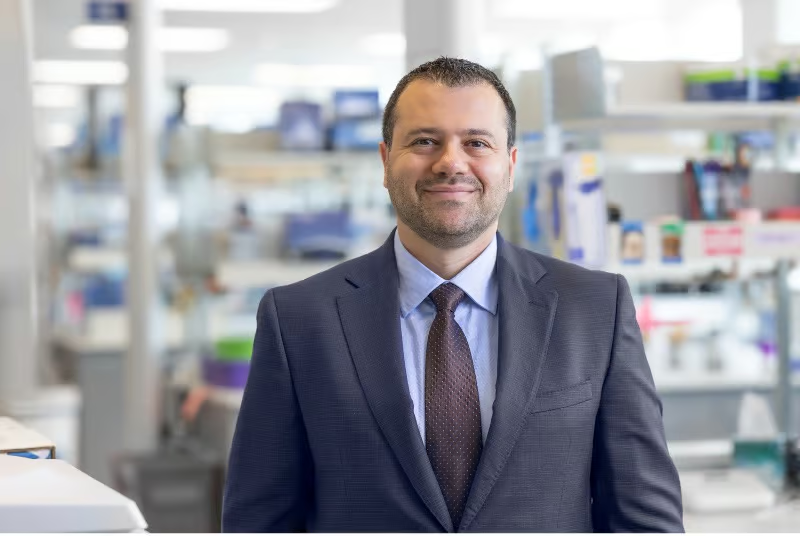
Fouad Chebib, M.D., FASN
Mayo Clinic, Florida
Project Summary
Targeting Renal Urate Transport to Suppress Cystogenesis in ADPKD
This research is studying how a newly discovered urate pathway inside kidney cells may affect cyst growth in ADPKD. The preliminary data suggests that regulating urate could be an alternative way to slow cyst growth without impacting thirst and frequency of urination which are the most common side effects of the ADPKD treatment tolvaptan. By understanding this process, drugs targeting the urate pathway could offer better treatments with fewer side effects for people living with ADPKD. To save drug development time, this study tests existing drugs (lesinurad and febuxostat). The results from this study aim to confirm an important treatment pathway for the future, that would offer fewer side effects, long-term use, and real slowing of the disease.
Biography
Fouad T. Chebib, M.D., FASN, is a professor of medicine, nephrologist, and physician-scientist at Mayo Clinic, Florida. He helped establish the Mayo Clinic Tolvaptan Clinic and has contributed to major ADPKD clinical trials and U.S. consensus guidelines. Additionally, Dr. Chebib directs the Mayo Clinic Florida PKD Foundation Center of Excellence and the Discovery and Translational PKD Research Lab.
Dr. Chebib’s clinical and research focuses include clinical trials, molecular mechanisms of cystogenesis, precision imaging, gene therapy, and development of novel therapies for PKD. His lab is advancing innovative and AI-driven personalized therapies, an important step toward Dr. Chebib’s lifelong goal of eliminating the need for dialysis in ADPKD.

Eun Ji Chung, Ph.D.
University of Southern California (USC)
Project Summary
Gene Editing for ADPKD
Current treatments for autosomal dominant polycystic kidney disease (ADPKD) can slow the disease progression, but they don’t fix the genetic cause and may have difficult side effects. This project is testing a new way to treat ADPKD by using CRISPR gene editing to fix changes in the PKD2 gene, one of the genes responsible for ADPKD. Dr. Chung’s lab plans to use tiny, kidney-targeted carriers called nanoparticles to deliver the gene-editing tools directly to the kidney cells where cysts start. If successful, this approach could reduce cyst growth, slow or stop disease progression, and lead to longer-lasting treatments with fewer side effects for people with PKD. Dr. Chung aims to open the door to a completely new class of therapies for PKD, ones that correct the disease rather than just manage it.
Biography
Eunji Chung, Ph.D., is an associate professor in the Department of Biomedical Engineering at the University of Southern California (USC) and the Dr. Karl Jacob Jr. and Karl Jacob III Early Career Chair. She’s the founding director of the USC Transformative Center for Nanomedicine and Drug Delivery, has various courtesy appointments at USC, and is an affiliated faculty member of the Norris Cancer Center and the Stem Cells department. Dr. Chung is a fellow of multiple medical societies; serves as associate editor for Bioactive Materials; and has received honors such as the K99/R00 NIH Pathway to Independence Award, AIChE 35 Under 35, NIH Director’s New Innovator Award (DP2), and more.
Dr. Chung’s lab is interested in developing nano-to-macroscale biomaterials for medicine, with a particular focus on gene therapies using nanocarriers for PKD. Currently, her lab takes part in national centers and programs including the NIH U54 Kidney O’Brien Center, Chan Zuckerberg Initiative (CZI) Exploratory Cell Networks, and AHA Collaborative Sciences Award.

Edmund Gilbert, Ph.D.
Royal College of Surgeons in Ireland
Project Summary
International Consortium for Intracranial Aneurysms in ADPKD
In patients with autosomal dominant polycystic kidney disease (ADPKD), up to 15% will develop bulges in blood vessels in the brain called intracranial aneurysms (ICAs) and have a seven-fold increased lifetime risk of bleeding in the space around the brain compared with the average non-PKD patient. Dr. Gilbert and colleagues will use a large collection of patient health data and genetic information from the International Consortium for Intracranial Aneurysms in ADPKD to study how screening affects the risk of serious bleeding and creates a score that uses both medical and genetic information to predict risk. This could help doctors decide which patients need screening or treatment the most, leading to better care and future research.
Biography
Dr. Gilbert is a geneticist and co-principal investigator in the Human Genetic Research Group at the School of Pharmacy and Biomolecular Sciences at RCSI, Dublin. His Ph.D. and postdoctoral research investigated the population genetics landscape of Ireland and its links to neighboring populations in Britain, and extended this to diasporic populations such as those in Newfoundland, Canada. As a postdoctoral researcher, he started work applying population genetic approaches to disease genetics, investigating haplotype diversity in monogenic forms of kidney disease, and contributing to analysis of polygenic risk in kidney disease. His research group works at the intersection of population genetics and disease, applying population-genetic approaches to identify and study the history of disease variants, particularly in renal disease where he is a long-term collaborator with Peter Conlon, RCSI.

Zhongwei Li, Ph.D.
University of Southern California (USC)
Project Summary
Novel in vitro and in vivo Organoid Platforms for High-Fidelity ARPKD Modeling
While there are two types of polycystic kidney disease (PKD), autosomal dominant (ADPKD), and autosomal recessive (ARPKD), the only FDA-approved drug available is for ADPKD. One challenge is that current animal and lab models don’t progress the same way that ARPKD progresses in people, which makes it harder to study the disease and test new treatments. This project will create two new human kidney models using stem cells: one model for testing possible drugs in the lab, and the other to grow ARPKD-like kidney tissue in live mice to better study the disease. Dr. Li’s team has previously built similar kidney models and shown they can recreate key features of PKD. These new models could give researchers better tools to understand ARPKD, find new treatment targets, and test future therapies.
Biography
Zhongwei Li, Ph.D., is an associate professor of medicine and of stem cell biology and regenerative medicine at the University of Southern California’s Keck School of Medicine. He’s the recent winner of the NIH Director’s New Innovator Award. As a stem cell biologist, Dr. Li’s research focuses on kidney development, regeneration, and disease. His lab develops and applies human pluripotent stem cell-based models, including kidney organoids and assembloids, to investigate disease mechanisms, discover new therapeutics, and advance regenerative medicine. His work has helped establish increasingly sophisticated human kidney models that more faithfully recapitulate kidney structure and function, creating new opportunities for studying kidney diseases, including polycystic kidney disease (PKD), and accelerating therapeutic discovery.
The long-term goal of his research is to generate transplantable stem cell-derived kidneys as a renewable source of tissue for kidney replacement therapy. His work is supported by the National Institutes of Health (NIH), the California Institute for Regenerative Medicine (CIRM), the University Kidney Research Organization (UKRO), and the PKD Foundation. Dr. Li is the recipient of the NIH Director’s New Innovator Award (2022) and the Young Investigator Award from the Chinese American Society of Nephrology (2025).

Xueying Lin, Ph.D.
Mayo Clinic, Rochester
Project Summary
Establish a Zebrafish Platform for Discovering Genetic Modifiers of ADPKD
People with autosomal dominant polycystic kidney disease (ADPKD) experience a wide variety in the timing and severity of their symptoms. Researchers believe certain genes, called genetic modifiers, may affect when symptoms start and how fast the disease progresses. Current ways to find these genes can be slow, expensive, and hard to confirm.
This project will study if changes to genes outside of the common PKD1 and PKD2 genes cause ADPKD to be more severe in some patients than others. To do this, the study uses zebrafish which are easy to work with, inexpensive, can be tested in large numbers, and can help researchers evaluate multiple genes quickly. This study will test about 50 genes and may identify up to five new genes that affect cyst growth, immune response, inflammation, and scarring in ADPKD. These findings could help researchers better understand disease progression and may lead to new treatments that delay symptoms and slow kidney failure.
Biography
Xueying Lin, Ph.D., is an assistant professor in the Department of Biochemistry and Molecular Biology at Mayo Clinic, Rochester, and a member of the Mayo Clinic Translational PKD Center. Her research focuses on developing adult zebrafish as a relevant vertebrate model of cystic kidney disease and establishing efficient approaches, including F0-based genetic screening platforms, for the systematic identification of modifier genes regulating kidney cyst formation and cyst-associated pathogenesis. By leveraging the genetic tractability and cost-effective scalability of zebrafish, Dr. Lin’s work aims to uncover novel mechanisms underlying ADPKD progression and identify potential therapeutic targets.

Jeremy Reiter, M.D., Ph.D.
University of California, San Francisco
Project Summary
Uncovering How Polycystin Signals from the Primary Cilium
This research is studying how proteins called polycystins help keep kidneys healthy and what happens when they do not work correctly.
Researchers are focusing on two important molecules, GLIS3 and NEK8, which may work like a brake and an accelerator that control cyst growth. Early results suggest that GLIS3 may help stop cysts from forming, while NEK8 may cause cysts to grow when polycystins are not working properly.
By learning more about how these molecules affect cyst growth, researchers hope to find new treatment targets that address the root causes of ADPKD. This could lead to safer, more effective treatments that may stop or even reverse kidney cyst growth.
Biography
Jeremy Reiter, M.D., Ph.D., is a professor at the University of California, San Francisco. His work focuses on how cells build antennae-like structures called cilia and how cilia function in intercellular communication. Dr. Reiter’s studies help reveal how cilia signal, how defective ciliary signaling causes ciliopathies (e.g., cystic kidney diseases), how ciliary defects contribute to diseases not normally considered ciliopathies (e.g., obesity), and how cilia function in postnatal tissues with a particular focus on how polycystins signal at kidney cilia and how disruption of those functions cause ADPKD.
Takamitsu Saigusa, M.D.
University of Alabama at Birmingham
Project Summary
The Role of Glucagon Receptor in Polycystic Kidney Disease
Autosomal dominant polycystic kidney disease (ADPKD) is caused by changes in a person’s genes, but the disease can affect people differently, even members of the same family. Researchers think that diet is one reason why.
This project is studying a hormone called glucagon, which is released after eating foods high in protein. Researchers believe glucagon may speed up kidney cyst growth. Using mice and lab-grown mini kidneys, researchers will test whether blocking glucagon can slow cyst growth, especially when a person eats a high-protein diet.
Biography
Takamitsu Saigusa, M.D., is a faculty member and physician-scientist in the Division of Nephrology at the University of Alabama at Birmingham (UAB). His laboratory investigates how dietary protein sources modulate kidney cyst growth in polycystic kidney disease (PKD).
Using murine models, Dr. Saigusa’s lab compares the effects of plant-based versus animal-based protein diets on metabolism, inflammation, and cyst progression. A major focus of his current funded research is to determine whether glucagon—released rapidly by the pancreas following protein-rich meals—travels to the kidney, activates the glucagon receptor (Gcgr), and promotes cyst growth. Using spatial transcriptomics in mouse models and human ADPKD organoids, Dr. Saigusa will define a shared Gcgr-regulated gene signature that drives cyst growth, and candidate therapeutic targets will then be tested directly in human PKD organoids.

Ian Smyth, PhD
Monash University
Project Summary
Polycystic kidney disease (PKD) is one of the most common inherited kidney disorders, affecting thousands of families worldwide. It causes the growth of fluid-filled cysts in the kidneys, which gradually reduce kidney function and often lead to kidney failure. Current treatments are limited to Tolvaptan, which has significant side-effects such as chronic thirst and frequent urination, as well as the potential for liver toxicity. Thus, Tolvaptan has a high discontinuance, and many patients still ultimately experience kidney failure requiring dialysis or transplantation necessary to prevent death. Families living with PKD face not only the medical burden of the disease but also significant emotional, financial, and social challenges.
Our research focuses on a protein called Aurora Kinase A (AURKA), which we have discovered plays a central role in driving cyst growth in PKD. Historically, scientists have found that PKD is caused by problems in a tiny antenna-like structure on kidney cells called the primary cilia. However, when cilia disassemble, common components can be reused for cell multiplication in a cellular organelle called the “centrosome”. Our findings suggest that AURKA in the centrosome can acts as a “master regulator” of cell division in the context of cyst formation and growth. Consequently, it fuels disease progression across multiple types of PKD, regardless of the primary gene mutation. By removing AURKA, we were able to prevent cyst growth in several different PKD mouse models, including ADPKD, Joubert Syndrome and Kif3a deficiency. This suggests that therapies targeting AURKA could benefit a wide range of patients, regardless of the type of PKD causing mutations that they carry.
The impact of our research would be three-fold. Firstly, it will uncover a new, unifying mechanism behind multiple forms of PKD, broadening our view of the disease away from a focus on the cilia alone as a mediator of cyst development. It will enable a more expansive, interconnected view of how cilia function impacts on cell division pathways and the role of centrosomes in this process. Secondly, it will provide a deeper insight into the composition and function of the centrosome, an important but relatively understudied regulator of cyst development. Thirdly, the knowledge acquired from proposed studies will open the door to new treatments that could slow or stop cyst growth, improving quality of life and reducing the need for dialysis or transplantation. Our team is also developing highly specific drugs that destroy AURKA, offering a potential path toward clinical trials, but the work proposed may also highlight new protein targets or drug repurposing opportunities.
By advancing this work, we aim to transform PKD care from managing symptoms with drugs like Tolvaptan, to targeting the root cause of cyst formation. This research has the potential to extend lives, reduce suffering, and ease the burden on families and healthcare systems worldwide. This research may mean that one day the advance of PKD could be sufficiently halted such that patients can then live a full life, with sufficient kidney function that eliminates the need for dialysis or transplant.
Biography
Professor Ian Smyth is the Associate Dean for Research and Research Infrastructure in the Faculty of Medicine at Monash University and the Head of the Developmental Nephrology Group at the Monash Biomedicine Discovery Institute. His doctoral studies at the University of Queensland focused on understanding the role of the PATCHED genes in human disease. He then undertook postdoctoral work in Edinburgh, Houston and London using forward genetic screens in mice to identify novel genes involved in skin and kidney development and disease. His group’s work focuses on two specific questions: how development of the fetal kidney is impacted by genetic mutation and environmental perturbation and how disruption of signalling in these cells in the adult kidney gives rise to polycystic kidney disease.

Terry Watnick, M.D.
University of Maryland, Baltimore
Project Summary
Sex-Specific Mechanisms in Kidney Cyst Formation
People with autosomal dominant polycystic kidney disease (ADPKD) can have very different symptoms, even when they have the same genetic change. Research shows that men often have more severe kidney disease, while women are more likely to develop liver cysts.
This project will study the role of sex-specific hormones like estrogen in PKD. By learning more about these differences, researchers hope to better understand what causes cysts to grow and why the disease can be more severe in some people. This work could lead to more personalized treatments and better care for people living with PKD.
Biography
Terry Watnick, M.D., is the John H. and Joan B. Sadler Professor of Medicine in the Division of Nephrology at the University of Maryland School of Medicine. Dr. Watnick directs the PKD Foundation Center of Excellence at the University of Maryland and is a past chair of the PKD Foundation’s Scientific Advisory Panel.
Dr. Watnick’s laboratory studies the genetics and pathophysiology of aneurysm formation, which is a common and serious manifestation of ADPKD. She’s been an investigator in several multicenter clinical trials recruiting patients with ADPKD, including TEMPO, REPRISE, and TAME. Dr. Watnick is the principal investigator for the NIH funded Maryland Polycystic Kidney Disease Core Center, as well as the co-principal investigator of the coordinating site for the PKD Research Resource Consortium.

Ryan Williams, Ph.D.
SUNY at Stony Brook
Project Summary
Targeted Gene Therapy Strategies for Autosomal Recessive Polycystic Kidney Disease
This research is working to develop new treatments for people with autosomal recessive polycystic kidney disease (ARPKD). Researchers are testing two types of gene therapy—one that could help many patients and another that could be customized for each person as a one-time treatment.
A major challenge in treating ARPKD is getting treatment to the kidney cells where the disease starts. To do this, researchers will use tiny particles called nanocarriers to deliver the therapy directly to those cells.
The treatments will be tested in lab-grown cells and animal models. Led by experts in drug delivery and kidney disease, this project brings together scientists and doctors with deep experience in PKD research. If successful, this research could lead to future clinical trials and new treatments that help people with ARPKD live longer, healthier lives.
Biography
Ryan M. Williams, Ph.D., is a SUNY Empire Innovation Associate Professor of Medicine and the associate director of translation and commercialization within the Division of Nephrology and Hypertension at Stony Brook University. Dr. Williams earned his Ph.D. in pharmaceutical and pharmacological sciences from West Virginia University, and completed his postdoctoral training in molecular pharmacology and nanomedicine at Memorial Sloan Kettering Cancer Center. Led by Dr. Williams, the Williams Translational Nanomedicine Lab at Stony Brook University focuses on the development of kidney-targeting nanomaterials to treat kidney diseases.

Jenny Yang, Ph.D.
InLighta Biosciences, LLC
Project Summary
3D MRI Radiohistology for Precise Longitudinal and Simultaneous Assessment of Cysts and Fibrosis
Doctors currently don’t have very safe and accurate tools to find early kidney scarring or track how autosomal dominant polycystic kidney disease (ADPKD) is progressing. This project is testing a new MRI imaging agent called INL-101 that can help doctors see kidney scarring earlier and more clearly than current methods.
Early studies showed that INL-101 can detect small changes in the kidneys and may be safer than standard MRI contrast agents. Researchers will continue testing it to prepare for future clinical trials.
If successful, INL-101 could help doctors diagnose ADPKD earlier, track disease progression more accurately, and make better treatment decisions. It may also help people with other diseases that cause scarring in the kidneys and other organs.
Biography
Jenny Yang, Ph.D., is a fellow of the National Academy of Inventors, Presidential University Scholar, Caldwell Marks Endowed Chair in Cancer Oncology and permanent regents’ professor at the University of Alabama at Birmingham, and founder and president of Inlighta Biosciences. Dr. Yang is a pioneer in establishing “calciomics,” to enable visualization of the roles of calcium in extracellular/intracellular Ca2+ signaling, and cell-cell communication through development of responsive calcium sensors.
Dr. Yang’s work revealed key determinants for metal binding, selectivity, conformational changes, and dynamics. This research led to the development of transformative novel protein-based MRI contrast agents (ProCA) to enable biomarker-targeted MRI molecular imaging for drug discovery, early diagnosis, and patient selection for acute and chronic human diseases including polycystic kidney diseases. Today, Dr. Yang’s protein drug, ProAgio, is in multiple clinical trials targeting different types of cancer. She has been granted 40 patents (with more pending), published countless papers, given hundreds of talks, trained numerous members, and has received multiple awards for her groundbreaking research.

Vladimir Yarov-Yarovoy, Ph.D.
University of California, Davis
Project Summary
Design of Protein Binders Targeting PKD2 TOP Domain for Restored Channel Function
About 95% of autosomal dominant polycystic kidney disease (ADPKD) is caused by changes in two genes called PKD1 and PKD2. These genes help make proteins called polycystins, which keep kidney cells healthy. When these proteins don’t work correctly, ADPKD can develop.
Right now, most treatments don’t fix these proteins. Instead, they try to slow the effects of the disease, like fluid buildup in kidney cysts.
This study is trying to treat the root cause of ADPKD by fixing a problem in one version of a protein called polycystin-2. Researchers will test whether a drug can help this protein work normally again.
If it works, the drug will be tested in animals to see if it can reduce cyst growth and kidney swelling. In the future, it could lead to new treatments for people with ADPKD.
Biography
Vladimir Yarov-Yarovoy, Ph.D., is a professor, associate director of the Center for Precision Medicine and Data Sciences, and vice chair of the Department of Physiology and Membrane Biology at the University of California, Davis. Dr. Yarov-Yarovoy’s research interests and expertise include neuroscience, protein structure, and computational biology. The primary focus of his research group is on the computational design of subtype-specific ion channel modulators, structure-function studies of voltage-gated ion channels, and the development of computational methods for membrane protein structure prediction and design. Recent advances in computational protein design, determination of high-resolution ion channel structures, and discoveries of natural peptides that target them with high affinity, set a stage for computational design of novel ion channel modulators.

Matteus Krappitz, M.D. - Young Investigator Award
University of Colorado, Denver
Project Summary
Base Editing as a Therapeutic Approach for Polycystic Kidney and Liver Disease
This research aims to treat the root cause of ADPKD, which is changes in genes that affect proteins called polycystins. Studies show that even a small increase in normal polycystin function can slow cyst growth.
This project builds on early research using a gene-editing tool that can fix small genetic changes and reduce cysts in animal models. Researchers will work to make this approach safer and more effective in human kidney cells and improve ways to deliver it to the kidneys.
The project will also test another approach that helps the body make more healthy polycystin from the working gene it already has. This could help more people, even if their exact gene change cannot be fixed.
In the future, this work could lead to treatments that do more than slow ADPKD—they could target the cause of the disease and better treat both kidney and liver problems.
Biography
While at Yale University, his studies demonstrated that activation of cellular chaperone pathways can restore PC1 maturation and reduce cystic disease severity in vivo, providing proof-of-concept for mutation-directed chaperone therapy approaches in ADPKD. More recently, Dr. Krappitz developed a clinically relevant PKD1 missense mouse model and led the first in vivo study demonstrating that adenine base editing can ameliorate cystic disease in ADPKD. In parallel, his laboratory is developing mutation-agnostic approaches aimed at increasing endogenous polycystin expression across broader patient populations. Dr. Krappitz collaborates closely with investigators at Yale University and Charité and is committed to translating mechanistically informed genetic therapies into meaningful treatments for patients with kidney and liver manifestations of PKD.
2026 fellowships

Mrinal Kanti Dhar, Ph.D.
Mayo Clinic, Rochester
Project Summary
AI-Driven Image Harmonization and Retrieval System for Enhanced Clinical Management and Cohort Discovery
Polycystic kidney disease (PKD) causes fluid-filled cysts to grow in the kidneys, making them larger and less able to function over time. Medical imaging is essential for tracking the disease, but differences across CT and MRI scans can make images difficult to compare and can reduce the reliability of artificial intelligence (AI) tools.
This project will develop an AI-based system that helps doctors quickly find prior PKD cases with similar kidney images, cyst patterns, or clinical descriptions. It will also create methods to standardize images across CT and MRI, different MRI sequences, and imaging planes while preserving important kidney and cyst features.
If successful, this work could help clinicians learn from similar patients, improve the reliability of AI tools, support better monitoring and treatment decisions, and make imaging data more useful for research and shared decision-making for people living with PKD and ADPKD.
Biography
Dr. Mrinal Kanti Dhar is a Postdoctoral Research Fellow in the Department of Radiology at Mayo Clinic in Rochester, MN, USA, specializing in the intersection of medical imaging and advanced artificial intelligence. He holds a Ph.D. in Computer Science from the University of Wisconsin–Milwaukee and brings over a decade of research and development experience across deep learning, computer vision, and natural language processing. Dr. Dhar’s research focuses on developing innovative AI solutions for clinical decision support and medical data harmonization. His recent work includes building large language model (LLM) pipelines for radiology report mining, multimodal deep learning networks for ovarian cancer classification, and digital twins for specialized pathologies. His broader academic experience includes authoring several peer-reviewed publications, teaching engineering and computer science courses, earning competitive research fellowships, presenting at scientific symposia, and serving as a reviewer for leading imaging and biomedical signal processing journals.
2025 research grant awardees

Neera Dahl, M.D., Ph.D.
Mayo Clinic, Rochester
Project Summary
A Pilot Study for Managing Depressive Symptoms in Autosomal Dominant Polycystic Kidney Disease
Depression is common in chronic conditions such as ADPKD. We know that having depression can accelerate loss of kidney function in chronic kidney disease. In this proposal we will first evaluate whether or not having a diagnosis of depression affects the loss of kidney function in our ADPKD patients at Mayo Clinic. Given that depression is common in ADPKD, we will also conduct a small pilot study comparing 2 different non-medication techniques for treating depression, either digital neurotherapy or capacity coaching to see if we are able to improve symptoms of depression and pain in those with ADPKD. Digital neurotherapy is a web-based treatment somewhat similar to playing a video game, that improves the connections within various parts of the brain thus helping the brain function better. Capacity coaching teaches resilience in managing both the disease and treatment burden associated with ADPKD. This clinical trial will be conducted virtually making it accessible to those at remote distances from Mayo Clinic.
Biography
Dr. Neera Dahl is a Professor of Medicine in the Division of Nephrology and Hypertension at Mayo Clinic Rochester. She is a member of the Scientific Advisory Committee for the Polycystic Kidney Disease Foundation, and Director of the PKD Center of Excellence at Mayo Clinic Rochester. Dr. Dahl is an Associate Director of the Mayo Clinic Translational PKD Center and co-chair of the KDOQI ADPKD Workgroup on the KDIGO Guidelines for ADPKD.
Benjamin Dekel, M.D., Ph.D.
The Sheba Fund for Health Service and Research
Project Summary
Developing a Vascularized Human Kidney Organoid Model for ARPKD Research and Therapeutic Screening
Autosomal recessive polycystic kidney disease (ARPKD) is a rare genetic condition that causes fluid-filled cysts to form in the kidneys from a young age, often leading to kidney failure early in life. Our research aims to create a better way to study and treat this disease by using tiny, three-dimensional “mini-kidneys” grown in the lab. These mini-kidneys, called organoids, are made from the urine of ARPKD patients. Using a novel method developed in our lab, we collect cells that naturally shed into the urine, expand them, and grow them under specialized 3D conditions to form patient-specific kidney organoids. Using urine a source for organoids makes this process entirely non-invasive . Once we have these ARPKD organoids, we aim to establish a large collection and build a biobank – a living organoid library that reflects the variety of disease presentations seen in ARPKD. Moreover, to make these models more realistic, we add engineered blood vessels into organoids so they now harbor a perfusable vascular network and behave more like a real human kidney. This vascularized ARPKD organoid system allows us to study how cysts form and expand, and how diseased kidney cells communicate with each other. With this platform, we can analyze each organoid by multi-omics to identify key changes in genes and proteins that drive cyst growth and disease progression. Based on the changes we then test existing drugs and their combinations to see if they can be repurposed to shrink or prevent cysts in our lab-grown ARPKD models. Alternatively, if such do not exist for the molecular aberrations observed we will start planning new approaches. By combining patient-derived organoids, blood vessel networks, and molecular analysis, we hope to discover new treatments that can slow or stop ARPKD progression and ultimately improve outcomes for children and families facing this challenging disease.
Biography
Prof. Benjamin Dekel leads a pioneering research program at the Pediatric Stem Cell Research Institute and the Division of Pediatric Nephrology, Sheba Medical Center, dedicated to advancing the understanding and treatment of autosomal recessive polycystic kidney disease (ARPKD). The Dekel lab utilizes innovative patient-specific kidney organoids, non-invasively derived from urine samples of multiple donors, to establish a biobank, complemented by engineered vascular networks to closely mimic the kidney’s physiological environment. By integrating innovative laboratory techniques, cutting-edge bioinformatics, and advanced vascularization technologies, the lab seeks to uncover critical mechanisms underlying ARPKD, identify novel therapeutic targets, and facilitate precision medicine approaches to ARPKD and related cystic kidney diseases.

Kenneth Hallows, M.D., Ph.D
University of Vermont
Project Summary
Bempedoic Acid as a Novel Therapy for Polycystic Kidney and Liver Disease
New ADPKD treatment strategies are desperately needed, including therapies targeting both kidney and liver cystic disease (PKD and PLD). Tolvaptan, the only FDA-approved drug for ADPKD, slows PKD progression but does not affect PLD, and side effects limit its tolerability, including thirst, frequent urination, and rare liver toxicity that requires close clinical monitoring. In this project we will test repurposing of bempedoic acid (BA), FDA-approved to treat high cholesterol, as a new potential therapy in the PCK rat model featuring both PKD and PLD. We recently showed that BA was effective in the treatment of ADPKD in mouse kidneys where it inhibited cyst growth and improved energy usage in ADPKD cells. Importantly, we found that in ADPKD mouse liver tissue, BA improved the health of mitochondria (major energy-generating structures in cells) while dramatically inhibiting liver cell death both in mice treated with BA alone or together with tolvaptan. Based on these exciting findings, we hypothesized that repurposing BA as a therapy for ADPKD would be beneficial in improving both liver and kidney disease manifestations and may limit tolvaptan-induced liver cell stress and injury. For this project we will investigate the dose-dependent effects of BA alone and its potentially additive effects in combination with tolvaptan on kidney and liver cystic disease features at early and late disease time points and the effects of BA on markers of tolvaptan-induced liver stress and injury in the PCK rat model. Results obtained from this study will complement and help inform pending ADPKD clinical trials.
Biography
Effective July 2025, Dr. Hallows is transitioning from the University of Southern California (USC) to the University of Vermont (UVM), where he will be Professor of Medicine and Chief of Nephrology for the UVM Health Network. After completing his undergraduate training at Brown University, Dr. Hallows earned his PhD and MD degrees from the University of Rochester. He then went on to complete residency in internal medicine and then a fellowship in nephrology at the Hospital of the University of Pennsylvania. After spending a year as an instructor at the University of Pennsylvania, Dr. Hallows moved to the University of Pittsburgh as an assistant professor, then associate professor of medicine. He moved to the Keck School of Medicine of USC in 2015 where he has served as Chief of the Division of Nephrology and Hypertension, Director of the USC/UKRO Kidney Research Center, and more recently Director of the USC Keck PKD Clinic, a PKD Foundation Center of Excellence. Dr. Hallows’ broad research interests are in studying the metabolic control of kidney epithelial salt and water transport mechanisms with applications to therapeutics for various kidney diseases, including ADPKD. In the ADPKD field, he has spearheaded preclinical, translational, and clinical studies relevant to dysregulated metabolism, new therapeutic target identification, and the repurposing of metformin, bempedoic acid, and other FDA-approved drugs for ADPKD. He was Co-PI of the Dept. of Defense (DoD)-funded ADPKD clinical trial (TAME-PKD), where he led the biomarker discovery aims of the grant. He is currently the overall PI for an approved DoD-funded placebo-controlled multicenter clinical trial that will be launched to investigate bempedoic acid as a new ADPKD therapy (BEAT-PKD).
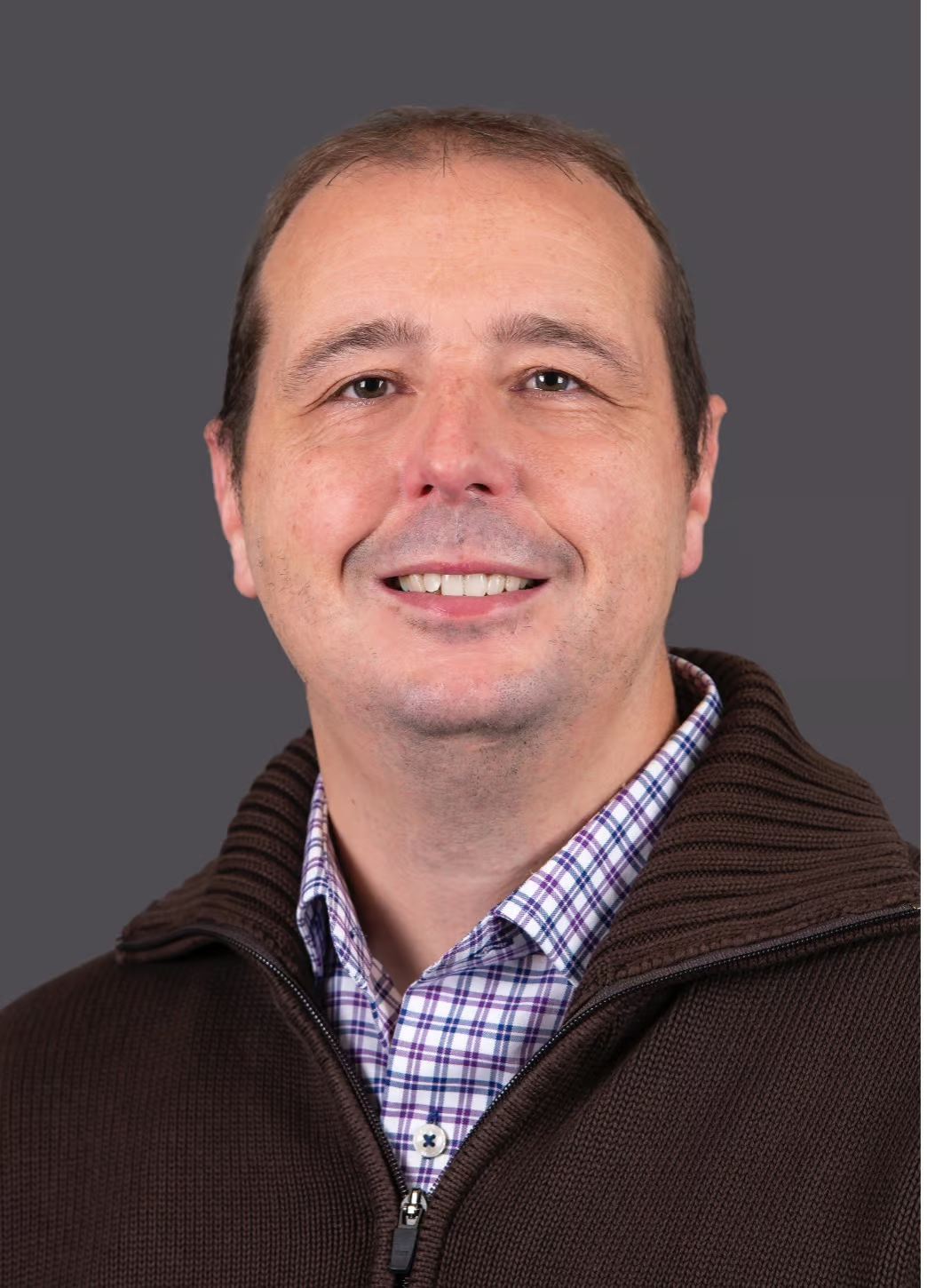
Miguel Lanaspa, Ph.D.
University of Colorado Denver Anschutz Medical Campus
Project Summary
Activation of endogenous renal exercise mimetics to treat ADPKD in mice.
Polycystic kidney disease (PKD) is a genetic condition where fluid-filled cysts grow in the kidneys, eventually leading to kidney failure. Studies have shown that being overweight and overeating can make PKD worse, while healthy habits like regular exercise and reduced calorie intake may help slow the disease. However, maintaining these lifestyle changes over a lifetime can be difficult for many people.
Our research aims to find a way to mimic the effects of exercise and calorie restriction using medicine. In other words, we’re looking for a drug that can “trick” kidney cells into acting as if the person is exercising—even when they aren’t. This could help slow the growth of cysts and protect kidney function.
One drug we are testing, called AICAR, activates a part of the cell’s metabolism that is usually turned on during exercise. In early studies using a mouse model of PKD, AICAR helped kidney cells burn energy more efficiently. By boosting the activity of mitochondria—the energy-producing “powerhouse” of the cell—we believe we can reduce the energy available for cysts to grow.
This project builds on years of promising research and is led by a team with deep experience in kidney disease and metabolism. Our goal is to develop new therapies that can improve the lives of people with PKD by slowing disease progression in a way that doesn’t depend solely on diet and exercise.
Biography
Dr. Miguel A. Lanaspa is an experienced investigator with a strong background in metabolism and nutrient sensing, with a focus on fructose, glucose, and purine metabolism in the context of obesity, diabetes, and kidney disease. His recent interest in polycystic kidney disease (PKD) stems from emerging data linking metabolic dysregulation to cyst growth. Leveraging his expertise in metabolic pathways, Dr. Lanaspa is now investigating how alterations in glucose and purine metabolism may contribute to PKD progression, with the goal of identifying novel therapeutic targets.

Riyaz Mohamed, Ph.D.
Augusta University
Project Summary
Role of netrin-1 in cyst growth
Autosomal dominant polycystic kidney disease (ADPKD) is the most common inherited kidney disorder, affecting about 600,000 people in the U.S. and 4 to 6 million worldwide. In this disease, genetic mutations—mostly in a gene called PKD1—cause kidney cells to behave abnormally. Instead of functioning normally, these cells grow excessively and form numerous fluid-filled sacs called cysts. Over time, these cysts grow larger and damage the kidneys, often leading to kidney failure. In fact, ADPKD is responsible for 7–10% of patients who end up needing dialysis to survive. Currently, there is only one FDA-approved medication, Tolvaptan, but its side effects can make long-term use difficult. A key challenge in developing better treatments is that scientists still don’t fully understand what causes these cysts to grow.
Our research focuses on a protein called netrin-1, which is known to play a role in cell proliferation, cell migration, and tumor growth. Our laboratory recently discovered that netrin-1 is significantly increased in the kidneys of animal models with ADPKD. When we increased netrin-1 levels in mice, their kidney cells grew more rapidly and formed more cysts. On the other hand, when we blocked netrin-1, cyst growth slowed down in ADPKD animal models. This suggests that netrin-1 plays a major role in worsening ADPKD. However, we still don’t know exactly how it does this. The long-term goal of our project is to better understand how and when netrin-1 contributes to cyst growth and PKD progression. Successful completion of our proposed studies will increase our understanding of the role of netrin-1 in cyst growth and provide the pre-clinical foundation needed to identify netrin-1 as a novel therapeutic target for the treatment of PKD.
Biography
Riyaz Mohamed, PhD, is a Research Scientist in the Department of Physiology at Augusta University in Augusta, Georgia. He has extensive training and expertise in cardiovascular and renal physiology and pathophysiology, with a particular focus on kidney injury/regeneration and hypertension. Dr. Mohamed’s research centers on characterizing signaling pathways and identifying therapeutic targets by utilizing a broad range of biochemical, cellular, immunological, molecular biology techniques and whole animal physiology. Dr. Mohamed earned his PhD in Biochemistry from the University of Mysore, India, and completed a postdoctoral fellowship in vascular biology and renal physiology at Augusta University. His long-term research interests involve understanding the complex relationships between hypertension, acute kidney injury (AKI), and the progression to chronic kidney disease (CKD), as well as exploring the cellular mechanisms underlying polycystic kidney disease (PKD) in both males and females. Recently, Dr. Mohamed’s studies have focused mainly on elucidating the cellular and molecular mechanisms driving PKD progression. Dr. Mohamed recently published that neuronal guidance cue netrin-1 is significantly upregulated in the kidneys of rodent models of PKD. Overexpression of netrin-1 in renal tubules promotes tubular epithelial cell proliferation, stimulates cyst growth, and activates signaling pathways known to be involved in human PKD. Conversely, suppression or neutralization of netrin-1 was found to reduce cyst growth in both aggressive and slowly progressive PKD mouse models. Dr. Mohamed’s current grant application aims to address a critical knowledge gap by investigating the functional role of netrin-1 in cyst development and PKD progression. This research will help uncover the underlying mechanisms by which netrin-1 promotes cyst growth and will provide a preclinical foundation for targeting netrin-1 and its receptor as a novel therapeutic strategy for PKD.
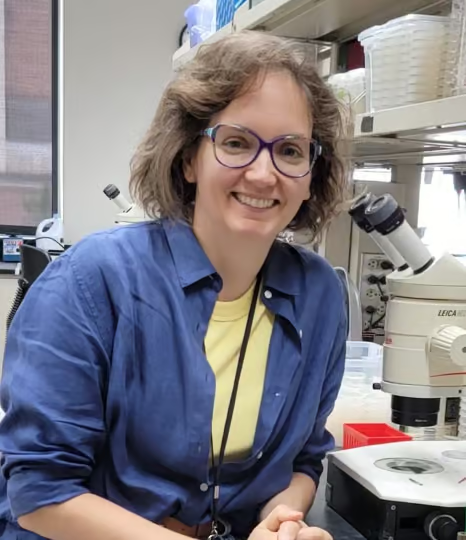
Inna Nikonorova, Ph.D.
Rutgers University
Project Summary
Signaling components of the polycystin pathway in cilia and extracellular vesicles
Understanding hidden communication in Polycystic Kidney Disease (PKD) is a serious genetic condition where fluid-filled cysts grow in the kidneys, often leading to kidney failure. It’s caused by problems in two specific genes, PKD1 and PKD2, which produce proteins called polycystins. How changes in these proteins actually lead to cysts is still a mystery. Our research focuses on understanding how polycystins normally help cells “talk” to each other. We study this using a tiny transparent worm called C. elegans, which shares many biological features with humans. Think of C. elegans as a simple but powerful model that helps us zoom in on the fine details of how cells work, faster and at a much lower cost than in mice or humans. In C. elegans and humans, cells shed polycystins on tiny bubbles called extracellular vesicles (EVs). These EVs carry signals that may play a key role in starting or worsening PKD. Using advanced imaging and genetic tools, we’re now uncovering what exactly these vesicles carry and how those signals go wrong in disease. By figuring out the basic principles of polycystin EV cell-to-cell communication, our research lays the scientific groundwork that larger clinical projects can build on, bringing us closer to better outcomes for patients and families living with PKD.
Biography
Dr. Inna Nikonorova is an Assistant Research Professor in the Department of Genetics at Rutgers University, where she explores the molecular roots of polycystic kidney disease using an unexpected but powerful model, the tiny nematode Caenorhabditis elegans. Her work has led to the identification of conserved signaling components in the polycystin pathway and opened new ways for the dissection of polycystin function on extracellular vesicles, tiny membrane-bound organelles that cells use to communicate, and which may hold the key to understanding disease progression. Dr. Nikonorova earned her undergraduate degree in Biochemistry and Molecular Biology from Lomonosov Moscow State University in Russia and her Ph.D. in Cellular and Molecular Pharmacology at Rutgers University. She studied the molecular regulation of ion channel production and then trained in mouse models of liver health as a postdoctoral researcher in Nutritional Sciences. With this multi-disciplinary background, Dr. Nikonorova is poised to solve complex biomedical questions with the ultimate goal of improving outcomes for patients with polycystic kidney disease.

Patricia Outeda Garcia, Ph.D.
University of Maryland, Baltimore
Project Summary
Prostaglandin D2 and its role in inflammation and the pathogenesis of polycystic kidney disease
Autosomal Dominant Polycystic Kidney Disease (ADPKD) is a common inherited disorder in which fluid-filled cysts grow in the kidneys, often leading to kidney failure. It is caused by mutations in two genes—PKD1 and PKD2—but the exact biological processes that drive cyst formation and disease progression are not fully understood. Treatment options remain limited, and many people with ADPKD eventually require dialysis or a kidney transplant. This underscores the urgent need for safer and more effective therapies.
Our research focuses on a molecule produced in our body called prostaglandin D2 (PGD2), which is known to promote inflammation and fibrosis (scarring) in other diseases. Using a mouse model that closely mimics ADPKD, we found that inactivation of the Pkd2 gene leads to a significant increase in L-Pgds, the enzyme responsible for producing PGD2. Interestingly, higher levels of PGD2 and related molecules have also been seen in the blood of ADPKD patients and in PKD mouse models. Because chronic inflammation and fibrosis drive cyst growth and kidney damage, our findings suggest that PGD2 signaling may contribute to disease progression.
Previous studies performed in ADPKD mouse models have shown that blocking the production of all prostaglandins can reduce cyst growth and slow the progression of the disease, but this can interfere with beneficial prostaglandins that support kidney health. To address this, our project aims to more precisely block only the production of PGD2 to reduce harmful inflammation while preserving kidney function. By understanding how PGD2 signaling contributes to inflammation and cyst development, we hope to uncover new therapeutic targets that could lead to safer and more effective treatments for ADPKD.
Biography
Dr. Patricia Outeda is an Assistant Professor in the Division of Nephrology at the University of Maryland, Baltimore, and Director of the Mouse Models and Biobank Core at the NIH-funded Maryland Polycystic Kidney Disease Research and Translation Core Center (MPKD-RTCC). She received her PhD from the School of Medicine at the University of Santiago de Compostela in Spain and completed postdoctoral training at Johns Hopkins University and the University of Maryland. Dr. Outeda’s research is dedicated to understanding the molecular mechanisms of polycystic kidney disease (PKD), with a specific focus on both autosomal dominant (ADPKD) and autosomal recessive (ARPKD) forms. She has developed and characterized innovative Pkd2 and Pkhd1 mouse models that have become essential tools for studying disease progression and testing potential therapies in preclinical trials.
Since 2020, she has served as co-chair of the In Vivo Models Subcommittee of the PKD Research Resource Consortium (PKD-RRC), where she plays a key role in standardizing and expanding access to PKD mouse models across the research community.
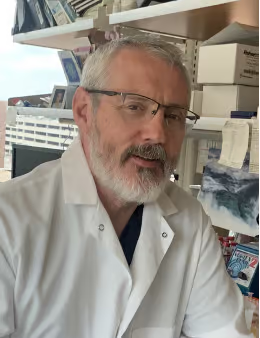
Christopher Ward, Ph.D.
University of Kansas Medical Center
Project Summary
A flow nanocytometry based assay for the diagnosis and monitoring of ADPKD
This application will develop a technique to diagnose autosomal dominant polycystic kidney disease (ADPKD) using a urine sample. No needles, MRI, or ultrasound scanning! The test will be able to tell who in an affected family has the disease and how bad the disease will be before cysts develop in the kidney. This will allow a physician to start treatment before the kidney has become damaged and thus preserve renal function. This test relies on the finding that the proteins encoded by the PKD1 and PKD2 genes, polycystin-1 and polycystin-2 are both present on tiny structures present in urine termed extracellular vesicles (EVs). We have made antibodies to these proteins that can be modified to glow brightly when illuminated by laser light. We will use a machine called a flow Nanocytometer (Kinetic River) that can detect EVs in the urine and can measure how much polycystin-1 antibody is attached to the EV as it passes an intense laser. The degree to which the EV glows indicates the amount of polycystin-1 on the EV as well as the number of EVs per unit volume of urine. The number of polycystin-1 positive EVs per milliliter of urine is low in people with ADPKD and the lower the number of EVs the worse the disease will be. The results are available immediately and the test will be inexpensive compared to MRI or ultrasound. Hopefully, this will allow future generations to be diagnosed early and their disease stopped before kidney damage sets in.
Biography
My major focus is on the polycystic kidney diseases which I have been working on since 1991. In 1994/95 I was instrumental in the cloning of the genes for polycystic kidney disease type 1 (PKD1) and tuberous sclerosis type 2 (TSC2), which are closely linked on 16p13.3. I then developed a range of reagents to the PKD1 and PKD2 gene products polycystin-1 (PC1) and polycystin-2 (PC2). In 2002, I cloned the gene for the recessive form of polycystic kidney disease (PKHD1) and showed that the pck rat has an exon 36 skipping mutation in the rat Pkhd1 gene. I went on to show that the protein product of this gene, fibrocystin, is present on the primary cilium. I also showed that the products of the PKD1, PKD2 and PKHD1 genes are all on small membrane vesicles termed exosomes which are shed in urine and other bodily fluids. These three molecules interact with one another and form the polycystin complex (PCC) which has been shown to be very large >2MDa. I wanted to find other members of the PCC and to this end I used a patient based proteomic screen to compare the exosomal proteome of young individuals with PKD1 mutations versus age matched controls. This showed that PC1, PC2 and fibrocystin were decreased in the PKD1 individuals. This strategy yielded eight other proteins that were altered in level between the two cohorts, including EPCIP (CU062, product of the C21orf62 gene) and CEMIP2 (a cell surface hyaluronidase).
In collaboration with Regulus Therapeutics, we have developed a Western blot assay which can distinguish individuals with PKD1 mutations from those without the disease. The assay measures the ratio of urine exosomal PC1 and / or PC2 to a control protein CD133 (Prominin) which is not altered in the disease. Individuals with PKD1 mutations have a lower ratio of PC1 / CD133 or PC2 / CD133 that age similar controls (average age 30 years and eGFR > 60ml min-1). However, the Western assay is not accurate enough to be used to act as a prognostic test. We know from mass spectrometry analysis of urinary exosomes that these structures contain the necessary information encoded in their PC1 and PC2 levels to act as a proxy for ADPKD disease severity. This application will focus on the development of a fluorescence-activated cell sorting (FACS) assay which measures the level of PC1, PC2 and CD133 per exosome in unprocessed urine. We have directly labeled our monoclonal antibodies to PC1 (7E12, IgG1) and PC2 (CJW_9D5, IgG2b) with fluorophores and a phycoerythrin labeled anti CD133 (Clone 7 IgG1?) antibody is commercially available. This one tube FACS assay will remove a lot of the handling required to complete the old assay (ultracentrifugation, SDS PAGE gels and Western blotting) and will be rapid and inexpensive. Measuring the levels of PC1 and PC2 per exosome will give us an insight into the pathogenesis of the disease as well as generate a test that can be used to determine disease severity early in its course.

Holger Willenbring, M.D., Ph.D.
University of California, San Francisco
Project Summary
Development of gene therapy for polycystic liver disease
The research team at UCSF is working on reversing cysts in the liver, and the negative effects they can have on liver function and health, by gene therapy. For this, the researchers are using AAV vectors, which are FDA approved for liver-directed gene therapy of bleeding disorders. They took the first hurdle by targeting AAV vectors to the cells that form the biliary system, which are also the source of liver cysts. They will now test in mice whether liver cysts caused by a gene defect found in humans can be reversed by delivering a normal copy of that gene with AAV vectors. To make gene therapy of liver cysts as useful as possible, the researchers need to overcome another hurdle, which is that in humans many defects occur in genes that are too large to be delivered with AAV vectors. For this, they will build on other researchers’ work that showed that liver cysts can be reversed by inactivating genes that execute the effects of the defective gene. Using their AAV vectors, the researchers will screen a large group of these candidate genes for those whose inactivation most efficiently and safely reverses liver cysts in mice. In summary, the researchers aim to establish the know-how and tools for gene therapy of liver cysts impairing liver function and health.
Biography
Holger Willenbring is a professor in the Department of Surgery, Division of Transplant Surgery and the director of the NIH-funded Liver Center at the University of California San Francisco. His laboratory in the Eli and Edythe Broad Center of Regeneration Medicine and Stem Cell Research works on developing new strategies for therapy of severe liver diseases. A particular focus of his laboratory is to develop know-how and tools for gene therapy of diseases of the biliary system, which he and his team will apply to understand how hepatic cysts form and how these cysts, and the severe complications they can cause, can be reversed or prevented.
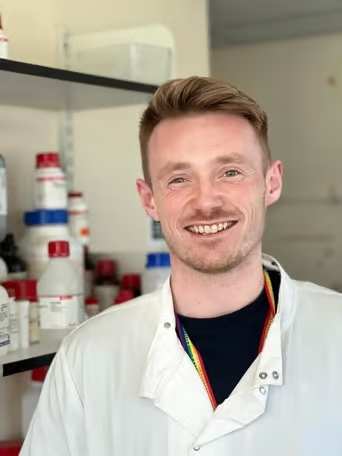
Scott Waddell, Ph.D.
University of Edinburgh, Young Investigator Award
Project Summary
Pharmacological reprogramming of the epithelial and stromal compartments to treat PLD
Patients with Autosomal Dominant Polycystic Kidney Disease (ADPKD) develop cysts in their kidneys, but 9-in-10 patients also live with cysts in their livers (called polycystic liver disease; PLD). Like water balloons, cysts fill with liquid and swell. This makes livers bigger, causing them to press on other organs in the body, resulting in pain and discomfort. Like water balloons, cysts can burst leading to infections if not treated quickly. Because of this, patients with PLD experience a poor quality of life.
Despite liver cysts being often found in patients with ADPKD, research to understand how liver cysts form has been neglected, meaning there are no approved therapies to treat PLD. There is a desperate need within the PKD-patient community to develop therapies that can shrink liver cysts or stop them from forming in the first place. We know from other human diseases that different types of cells contribute to disease: tumors, for example, not only contain cancer cells but also immune cells whose normal job is to fight infection. Using medicines that both kill cancer cells and turn-on nearby immune system cells to attack the cancer has revolutionized how cancer patients are treated. This project will focus on studying how medicines that are currently used to treat patients with cancer can be used to stop cyst cells growing, while also telling nearby immune cells to discourage cyst growth.
Biography
Scott Waddell completed his PhD with Luke Boulter & Pleasantine Mill at the MRC Human Genetics Unit at the University of Edinburgh (UK). During his doctoral studies, Scott investigated the role of primary cilia in hepatobiliary diseases, which led him to research the cellular and tissue dynamics underpinning polycystic liver disease (PLD).
PLD is the most common extra-renal manifestation in Autosomal Dominant Polycystic Kidney Disease (ADPKD), yet research into PLD is largely neglected. Further research is required to understand what promotes cyst development and progression in the liver such that new therapeutics can be discovered.
Scott has previously shown that hepatic cyst cells modulate and signal through the surrounding extracellular matrix to promote cyst growth. In his PKD Foundation-funded project, he will continue to investigate the intracellular response to a cyst-associated matrix, as well as investigate how different cells of the cyst microenvironment use common signaling pathways to promote PLD progression.
2025 fellowships
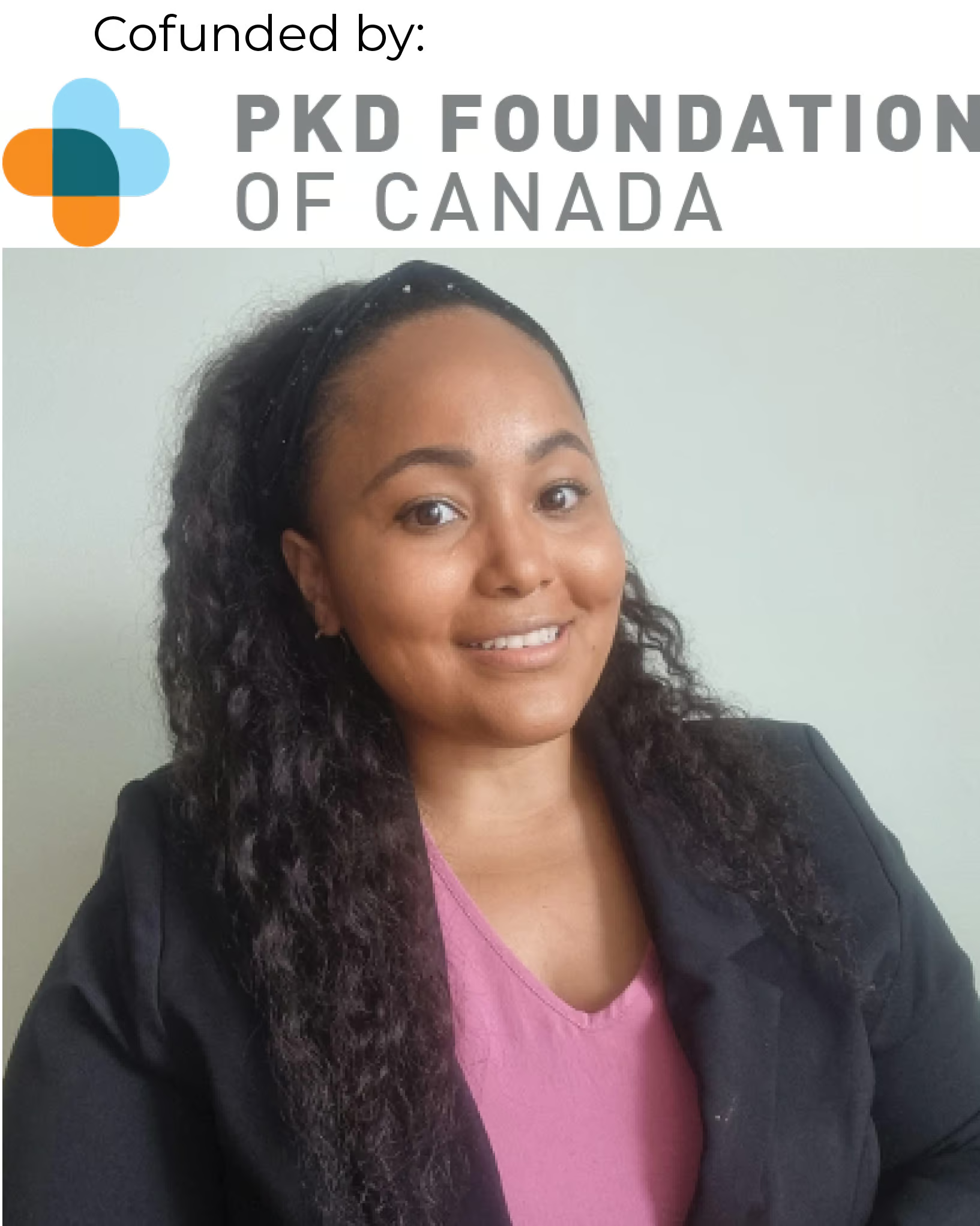
Sol Carriazo, M.D.
University Health Network
Project Summary
Refining ADPKD Risk Prediction: The Utility of Machine Learning Approaches
Autosomal dominant polycystic kidney disease (ADPKD), characterized by fluid-filled cysts growing in the kidneys, is the most common cause of genetic kidney disease leading to kidney replacement therapy. However, the disease does not progress in the same way for everyone. Some people present a rapid decline in their kidney function, while others remain stable for many years. This makes it hard for physicians to predict the risk of progression for each person and to know who could benefit from treatment. As new treatments emerge, many of which can be costly and not without side effects, it is crucial to identify people at high risk who could potentially benefit from them. Our project aims to improve the prediction of the course of ADPKD by combining several types of tools: medical data, advanced imaging of the kidneys, and a wide range of genetic information. We will study about 2,000 people with ADPKD using modern tools like artificial intelligence to identify patterns that may be missed by traditional methods. In addition to kidney size and single gene tests, we will also analyze complex genetic patterns and new types of imaging data to better understand this risk. In the end, our goal is to create a tool that helps physicians to give more personalized advice: who is likely to progress and needs to start treatment early, and who can avoid unneeded medication. Ultimately, this will lead to better care, reduce unnecessary exposure to medication side effects, and support smarter use of healthcare resources.
Biography
Sol Carriazo, MD is a Clinical Research Fellow in Hereditary Kidney Disease with a focus on polycystic kidney disease (PKD), under the mentorship of Dr. York Pei in the Division of Nephrology at University Health Network and the University of Toronto (UofT). She obtained her medical degree from the University of Cartagena in Colombia, and completed her residency in Nephrology at Fundación Jiménez Díaz in Madrid, Spain. She holds a Master’s degree in Artificial Intelligence and Big Data in Healthcare from the Universitat Autònoma de Barcelona and is expected to defend her PhD thesis at the Universidad Autónoma de Madrid later this year. As part of her research training, she is also enrolled at the Institute of Medical Science at UofT.
During her fellowship, Dr. Carriazo has focused primarily on ADPKD and Tuberous Sclerosis Complex (TSC), participating in genetic and clinical epidemiology studies that explore factors influencing disease progression. The proposed study aims to refine ADPKD risk predictions by using machine learning approaches. Her ultimate goal is to work as a clinician-scientist and make meaningful contributions to the lives of patients with PKD and other genetic kidney diseases.

Doaa Elbarougy, M.B., BCh
Mayo Clinic, Rochester
Project Summary
IFT172 as a minor ADPKD gene and identifying disease modifiers
Autosomal Dominant Polycystic kidney disease (ADPKD) is one of the most common inherited kidney diseases, often leading to kidney failure. ADPKD is mostly caused by changes in the PKD1 and PKD2 genes, but in this project we aim to look beyond those genes to study other lesser-known genes that can cause or modify ADPKD.
One focus of this project is on a group of genes that encode intraflagellar transport (IFT) proteins, especially those in the B complex, which help cells form tiny hair-like structures called cilia, which are essential for normal kidney development. Particularly, our preliminary analysis indicates that genetic changes in the IFT-B gene IFT172 can cause ADPKD. We will use mouse models of IFT172 to see how loss affects cilia and the Pkd1 disease course. We will also study if other IFT-B genes are associated with ADPKD.
Another part of the project involves less understood ADPKD genes, such as ALG8, ALG9, GANAB, and DNAJB11. A question we aim to address is why some individuals with changes in these genes develop multiple kidney cysts and severe symptoms, while others have only mild disease or even no cysts. To explore this, we will analyze large genetic databases and clinical data to identify other genetic factors that modify disease severity. We will also use mouse models of these modifying genes to mimic genetic interactions. By understanding these genetic modifiers, we aim to identify high-risk individuals earlier and discover new treatment targets.
Biography
Dr. Doaa E. Elbarougy is a postdoctoral fellow at the Mayo Clinic’s Translational Polycystic Kidney Disease Center, under the mentorship of Dr. Peter Harris. Her research utilizes population-based biobanks to identify novel genetic causes and modifiers associated with Autosomal Dominant Polycystic Kidney Disease. She received her medical degree from Al-Azhar University in Egypt and then joined Mayo Clinic for training in PKD genetics. She is committed to a career as a physician-scientist, aiming to advance understanding of polycystic kidney diseases and improve patient outcomes.

Satya Tirunavalli, Ph.D.
University of Kansas Medical Center
Project Summary
Polycystic Kidney Disease (PKD) is a common genetic disorder that causes fluid-filled sacs, called cysts, to grow inside the kidneys. Over time, the growth of these cysts causes the kidneys to become very large and they damage healthy kidney tissue. Patients may pain, high blood pressure, and even kidney failure, requiring renal replacement therapy such as dialysis or renal transplantation. Currently, the only drug treatment that is available to slow the disease, comes with side effects that many patients are unable to tolerate. There is a pressing need for better, more targeted therapies.
My research is focused on finding a better way to slow PKD progression.
We discovered a protein called periostin that acts like a “bad signal” in PKD kidneys. This protein tells the kidneys to stay inflamed, creating more scar tissue. Another protein listens to that signal and makes things worse. Together, they help the cysts to grow and the kidneys to become damaged. We use advanced tools to determine if blocking these proteins in human PKD kidney cells and in PKD mouse models slow down or even stop the damage before it becomes permanent. If we succeed, this could lead to a new treatment that protects kidneys, reduces the need for dialysis, and gives people with PKD a better future. Ultimately, this research could pave the way for precision therapies that target the root causes of the disease, offering hope for ADPKD patients and others suffering from fibrosis-related conditions. This work brings hope not just for managing PKD, but for truly fighting back against it.
Biography
I am a Postdoctoral Fellow in the laboratory of Dr. Darren Wallace at the University of Kansas Medical Center, where my research focuses on elucidating the molecular mechanisms driving renal inflammation and fibrosis in autosomal dominant polycystic kidney disease (ADPKD). Specifically, I study periostin, a matricellular protein identified by Dr. Wallace’s group as a critical mediator of cyst growth and fibrotic remodeling in PKD. Building on his foundational discoveries, my work investigates the regulatory networks involving periostin and its interplay with extracellular matrix and pro-fibrotic signaling pathways. This research seeks to define actionable therapeutic targets that could delay or prevent kidney failure in individuals with PKD.
My scientific training integrates a strong background in pharmacology, molecular biology, and translational medicine. I earned my Ph.D. in Biological Sciences (Pharmacology) from CSIR–Indian Institute of Chemical Technology (CSIR-IICT) India, where I led studies on interstitial lung diseases and fibrotic mechanisms. My doctoral work demonstrated that modulating the TGF-ß/periostin signaling axis using natural small molecules significantly attenuates lung inflammation, lung fibrosis, improves survival, and restores organ function. This work resulted in multiple peer-reviewed publications in internationally recognized journals. I also studied the role of HDAC in pulmonary fibrosis which led to a U.S. patent for HDAC inhibitors targeting idiopathic pulmonary fibrosis and related lung inflammatory disorders.
Throughout my academic journey, I have developed and applied in vitro and in vivo disease models spanning pulmonary fibrosis, psoriasis, NASH, Parkinson’s disease, and ulcerative colitis. My long-term goal is to establish an independent research program dedicated to uncovering the pathophysiological drivers of fibrotic diseases particularly those affecting the kidney and lung and to develop innovative, mechanism-based therapeutic interventions. Support from this grant will be pivotal in advancing this vision and translating molecular discoveries into clinical impact.
Core Lab Grant Award
The PKD Foundation’s Core Lab grant program is designed to support research facilities, databases, and services to benefit the entire PKD research community.
Mayo ADPKD Mutation Database
Mayo Clinic
Project Summary
Mayo ADPKD Mutation Database
In other genetic diseases, such as cystic fibrosis, all patients are routinely molecularly screened so that families know their disease causing mutations. At present this does not happen for ADPKD, partly because the value of the data for diagnostics and prognostics is not generally recognized, and because molecular testing is specialized and expensive due to the complex genomic situation of the PKD1 gene. However, as specialized next generation sequencing panels for ADPKD become available and there is more competition to offer testing, the price of testing is likely to decrease. In addition, the value of the patient knowing their specific mutation is likely to be more widely appreciated as the prognostic value of this data is realized, and genetic data is increasing used to select patients for treatment and clinical trials. In cystic fibrosis, therapies geared to specific mutations are being developed. ADPKD is more complex because of the high level of family specific mutations, but mutation focused treatment strategies are still likely to be tested in this disorder in the next few years. For instance, chaperone treatment may be of value for some missense substitutions and read-through drugs help patients with nonsense mutations, while therapies to overcome splicing defects have also been proposed. Hence, the database will play an increasingly important role as a repository of the accumulating genetic data (paired with clinical and in vitro data), allowing the penetrance of specific mutations to be better determined. In addition, it will function as a source of information about patients that (through their nephrologist) can be selected for treatments and specific clinical trials, including targeting specific mutation groups.
Biography
Visit Mayo ADPKD Mutation Database website